Scientific Strategies to Naturally Enhance Chicken Immunity

The poultry industry is increasingly prioritizing immune management as diseases can drastically impact productivity and cause significant economic losses. Thus, there’s a rising interest in natural, effective approaches to boost poultry immunity.
Nutritional Strategies for Immunity Enhancement
Proper nutrition directly impacts immune health. Vitamins (A, D, E), minerals (zinc, selenium), essential fatty acids (omega-3, omega-6), antioxidants, and amino acids are critical for immune function. For instance, vitamin E and selenium act as antioxidants, protecting cells from oxidative damage, while zinc is essential for immune cell activation and proliferation.
Utilizing Prebiotics and Probiotics
Gut health is integrally linked with immunity. Prebiotics and probiotics promote beneficial gut microbiota, inhibiting pathogen invasion and enhancing intestinal health. Recent studies demonstrate that probiotics significantly improve overall immunity by suppressing pathogens, producing antimicrobial compounds, and enhancing gut barrier function.
Role of Phytogenic Feed Additives
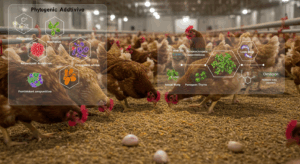
Phytogenic additives like garlic, oregano, thyme, and turmeric offer powerful antioxidant and anti-inflammatory properties, modulating cytokine production to enhance immune function. These natural additives are increasingly preferred by farms aiming to reduce chemical feed additives.
Importance of Stress Management
Stress significantly undermines immune health. Factors such as heat stress, overcrowding, and environmental changes elevate cortisol levels, suppressing immunity. Effective strategies to manage stress include innovative light management and nanotechnology. Nanominerals, such as nano-zinc and nano-selenium, offer superior bioavailability, effectively alleviating stress and enhancing immunity.
Optimal Diet Formulation and Precision Nutrition
Precision nutrition, tailored specifically to individual poultry needs, optimizes immune responses. Alternative protein sources like insect and algae, combined with advanced processing technologies (fermentation, extrusion, encapsulation), significantly enhance the bioavailability of nutrients essential for immunity.
Conclusion and Solution Offering
The immune enhancement strategies outlined here are critical for sustainable poultry production. Our company leverages these cutting-edge, research-driven insights to provide highly effective animal probiotics designed specifically to boost poultry immunity and productivity. For detailed information and customized consultations, please contact us anytime.