
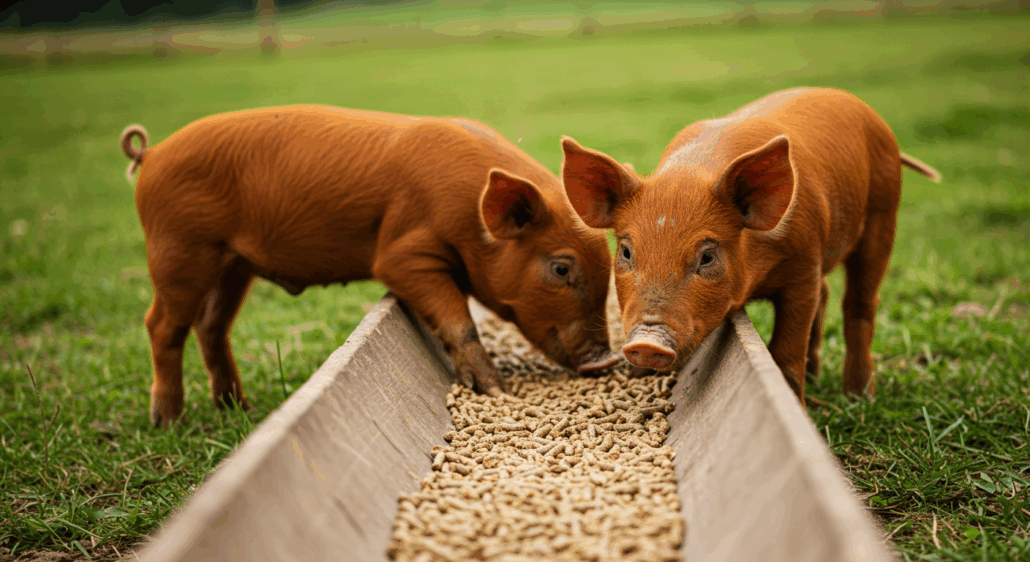
Probiotics in Livestock Nutrition: Core Functions and Key Advantages
As the global livestock industry seeks sustainable alternatives to antibiotic growth promoters (AGPs), probiotics have emerged as one of the most effective and scientifically supported solutions. These live microorganisms, when administered in adequate amounts, confer health benefits to the host by enhancing gut function, boosting immunity, and improving nutrient utilization.
Key Functions of Probiotics in Animal Production
- Gut Microbiota Modulation
Probiotics help establish and maintain a balanced intestinal microflora by outcompeting pathogens through competitive exclusion. - Immune System Enhancement
They stimulate immune responses and improve gut barrier function, leading to better disease resistance. - Improved Feed Efficiency and Growth Performance
Probiotics support enzymatic digestion and nutrient absorption, improving feed conversion ratios (FCR). - Reduction in Digestive Disorders
Effective in reducing post-weaning diarrhea and other enteric disorders common in young animals. - Environmental Benefits
Some strains reduce ammonia and methane emissions, supporting eco-friendly farming.
Characteristics of Effective Probiotic Strains
- Spore-forming capability for heat resistance (e.g., Bacillus spp.)
- Acid and bile tolerance to survive in the gut
- Ability to adhere to intestinal epithelial cells
- GRAS or QPS safety status
- Stability and viability in commercial feed
